The Victory Highway: The Road That Built Modern Reno
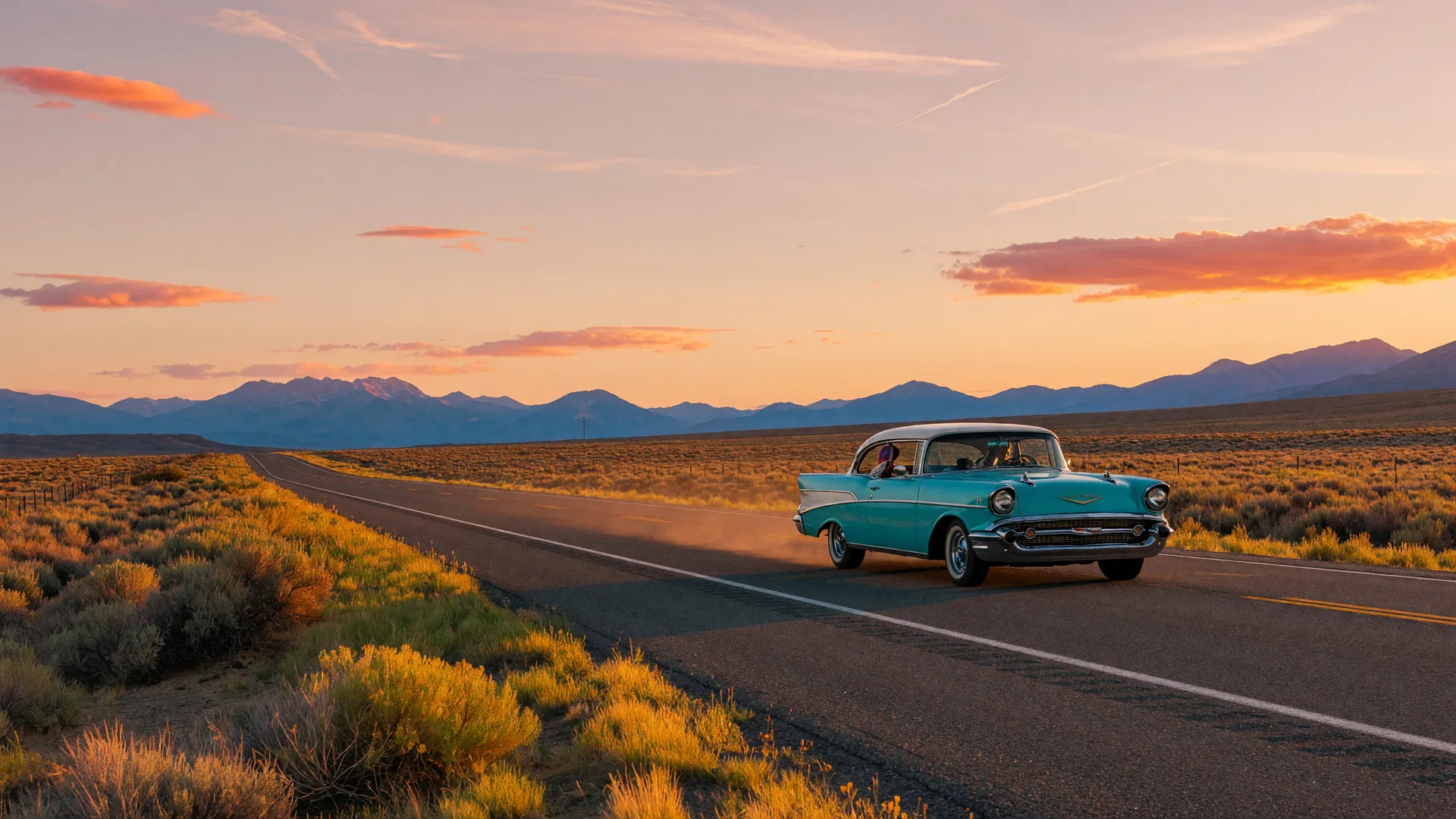
Before I-80 and before US 40, the road that carried America's coast-to-coast traffic through Northern Nevada was called the Victory Highway. Built in the early 1920s as a memorial to the Americans who died in World War I, it became Nevada's first paved highway across the state, and its line through Reno and Sparks set the pattern for how the region grew. Here is the story of the road that put the Truckee Meadows on every transcontinental driver's map.
A Road Built as a Memorial
After the armistice, a national movement pushed to honor the war dead with something more lasting than a monument: a cross-country highway. The Victory Highway Association, incorporated in Topeka, Kansas, in late 1921, laid out a route of roughly 3,200 miles from New York City to San Francisco. The hardest link in that chain was the Great Basin, and Nevada's stretch was the one that would make or break the idea.
Was It Nevada's First Paved Road Across the State?
Yes. The highway entered Nevada through the Truckee River canyon and followed what is essentially today's Interstate 80 corridor: through Reno along East and West 4th Street, through Sparks along Prater Way, then east along the Humboldt River through Lovelock, Winnemucca, Battle Mountain, and Elko before climbing out at Wendover. Nevada designated it State Route 1, and by late 1924 it was open to automobile travel all the way across the state and over the Sierra Nevada to Sacramento. It was the first paved highway to span Nevada.
The Wendover Cutoff Opening
The final link was the Wendover Cutoff across the Bonneville Salt Flats at the Utah line, completed in 1925. It earned the only documented official opening ceremony on the entire highway: on June 25, 1925, the governors of Nevada and Utah met at the border to mark the road complete. Those same salt flats would go on to become among the most famous ground in motorsport, hosting land-speed records that make Bonneville Speed Week a pilgrimage for racers worldwide.
From Victory Highway to I-80
In November 1926 the federal government's numbered highway system took over, and Nevada's stretch of the Victory Highway became US 40, a number it carried until 1975. Interstate 80, inching eastward from 1956 onward, paralleled and absorbed much of the old road. But the original alignment is still drivable: 4th Street through Reno and Prater Way through Sparks remain the historic route, lined with the older commercial buildings, low-rise motels, and weathered signs of an earlier road era.
Why the Old Road Still Matters to Car People
For enthusiasts, the Victory Highway is the strongest argument that Northern Nevada was built for driving. The state literally grew along a road, and that DNA still shows in the region's car culture, from cruise nights on the old alignments to charity shows in the towns the highway connected. It is also a great excuse for a road trip: point the car east on I-80 and you can trace the whole story, from the Truckee River canyon to the Bonneville Speedway's salt.
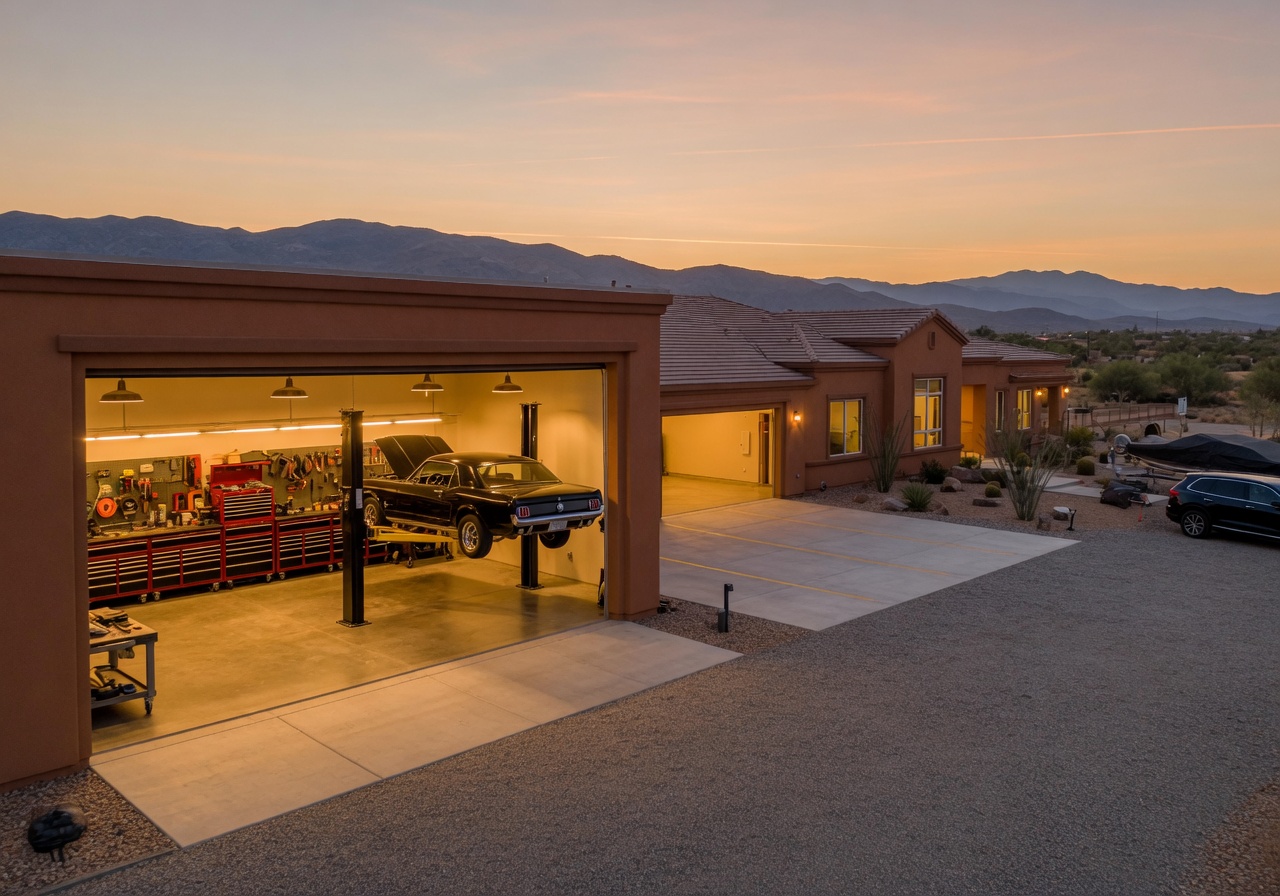
If the road history is nudging you toward a move, that is a good instinct. Northern Nevada offers what gearheads actually want: a dry climate, open space, and short drives to some of the best roads in the West. Browse homes in Northern Nevada to see what is out there, and when a growing collection needs a proper home, Browse homes with 3+ car garages so every good drive can start in your own driveway.
Related Reading
The Lincoln Highway
Northern Nevada's other famous transcontinental road, through Dayton and Carson City.
How the Car Culture Began
From Comstock wealth to modern cruise nights, the story of the region's car community.
5 Essential Scenic Drives
The roads every Northern Nevada car enthusiast should drive.