The Lincoln Highway Through Northern Nevada: Driving America's First Coast-to-Coast Road
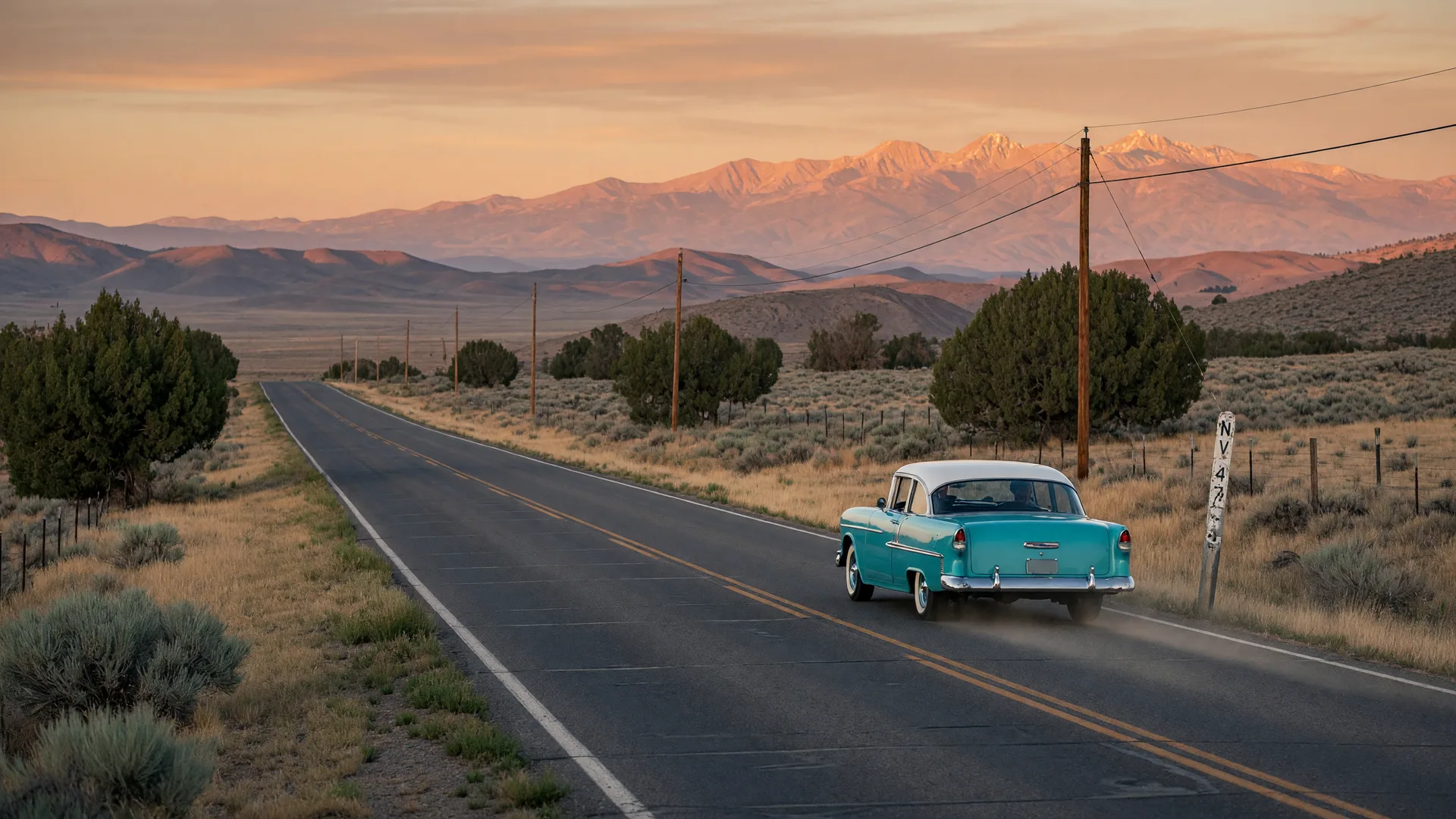
Long before Interstate 80 carved through the Truckee River canyon, there was the Lincoln Highway: America's first coast-to-coast road, dedicated on October 31, 1913. It crossed Northern Nevada on two official routes, and much of the old pavement is still there if you know where to look. For car enthusiasts, driving the Lincoln Highway is a rolling history lesson, a scenic tour, and a reminder that this region has been a road-trip destination for more than a century.
Two Roads Through the Silver State
From Utah the highway entered Nevada near Ibapah and ran west through Ely, Eureka, Austin, and Fallon before splitting. The main route continued through Fernley and Wadsworth, followed the Truckee River, and rolled into Sparks on Prater Way and Reno on 4th Street before climbing toward Truckee and Sacramento. The scenic Pioneer Route instead turned south along the Carson River, passing through Dayton and Carson City, then crossed the Sierra past Lake Tahoe toward Placerville, California. Both branches were official Lincoln Highway, and both are drivable today.
Reno and Sparks: The Old Main Line
In Reno and Sparks, the old highway survives as surface streets. 4th Street and Prater Way still carry the route past motels, diners, and storefronts that date to the highway era, and the Reno Arch, erected in 1926 to celebrate the completion of the Lincoln and Victory Highways, still marks the downtown crossing. When Interstate 80 bypassed the corridor in 1974, the old road became the quieter, character-filled drive it is today, a favorite of locals who know where the original pavement hides.
The Pioneer Route: Dayton to Carson City
The Pioneer Route is the one every enthusiast should drive. From Fallon, the old alignment follows the Carson River south to Dayton, where the Comstock-era town still anchors the crossing, then rolls into Carson City and continues toward the Sierra. Stretches of original Lincoln Highway pavement survive alongside the modern highway, especially near Dayton, and the drive pairs perfectly with the region's car culture: Thursday Night Cruisers in Carson City, the Karson Kruzers show at Mills Park, and the classic car events that fill the calendar all summer.
Why the Old Road Still Matters
Driving the Lincoln Highway is a good way to understand why car people keep moving to Northern Nevada. The same geography that made this a great road in 1913, wide valleys, mountain passes, and open country, makes it a great place to live with a garage full of cars today. Homes in Dayton and Carson City often come with the kind of space collectors want: shops, RV bays, and room for projects. If the old road has you thinking about a move, Browse homes in Dayton to see what is on the market in the Comstock foothills, or Browse homes in Carson City for the capital's garage-friendly neighborhoods.
Next time you are looking for a Sunday drive, skip the interstate. Follow the old Lincoln Highway from Dayton to Carson City, or cruise 4th Street and Prater Way in Reno, and you will be driving the road that put Northern Nevada on the map for American motorists.
Related Reading
Highway 50: The Loneliest Road
The modern descendant of the Lincoln Highway, running 400 miles of open highway from Carson City east.
Geiger Grade & Virginia City
Hairpin turns and 2,800 feet of climb on the must-drive road from Carson City to Virginia City.
Northern Nevada's Car Culture History
From the Comstock to the cruise strip, how the region became one of the West's great car communities.