Northern Nevada's Car Culture: From the Comstock to the Cruise Strip
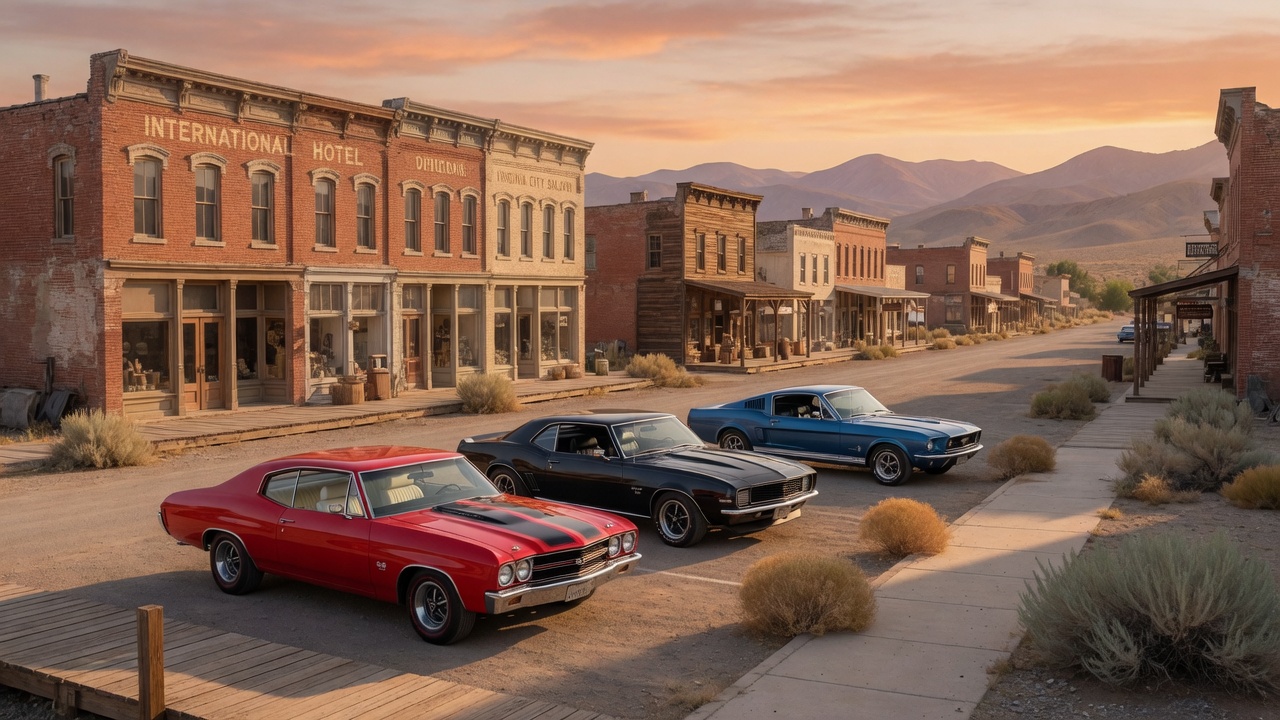
People sometimes ask me why Northern Nevada has such a strong car culture. They've driven through Reno or Carson City, noticed the classic cars in traffic, spotted the cruise nights, and wondered how a region with a population smaller than most mid-size American cities became home to one of the largest classic car communities in the West. The answer is deeper than you'd expect — it goes back more than 150 years and runs through the geography, the economy, the climate, and the character of the people who've chosen to live here.
This is the story of how Northern Nevada became a paradise for car enthusiasts — and why that tradition is still going strong.
The Comstock Roots: Wealth, Machines, and the Road to Virginia City
You can't understand Northern Nevada's car culture without starting in Virginia City. When silver was discovered at the Comstock Lode in 1859, it turned a remote Nevada mountainside into one of the wealthiest places in America. The money that poured out of those mines built mansions, funded theaters and saloons, and — crucially — attracted the finest technology and machinery of the era. The Virginia & Truckee Railroad, completed in 1869, connected the Comstock to Carson City and Reno, creating the transportation corridor that still defines the region today.
The people who made their fortunes on the Comstock had a taste for the best. They imported the finest carriages, the most advanced mining equipment, and the latest innovations from San Francisco and the East Coast. This created a culture of appreciation for well-built machines — a sensibility that didn't disappear when the silver ran out. It evolved. When automobiles arrived in the early 1900s, the Comstock towns were among the first communities in Nevada to adopt them. The roads connecting Virginia City to Carson City and Reno — the same routes that carried ore wagons and steam locomotives — became some of the first automobile roads in the state.
The Post-War Boom: Muscle Cars and Open Roads
Like much of the American West, Northern Nevada experienced significant growth after World War II. Reno, in particular, transformed from a small railroad and mining town into a resort and entertainment destination. The Las Vegas Highway (now US 395/Interstate 580) connected the region to California, and the post-war highway boom made Northern Nevada accessible in ways it had never been before.
This was the era that planted the seeds of the car culture we see today. Returning veterans with mechanical skills and a desire for speed settled in the region. The wide-open desert roads and mountain passes were perfect for testing what American automakers were building. By the 1960s and 1970s, the Reno-Tahoe-Carson City corridor was alive with muscle cars. The annual Nevada Open Road Challenge on Highway 50 — the "Loneliest Road in America" — became a legendary test of speed and endurance. Car enthusiasts were already gathering informally, organizing group cruises up Geiger Grade to Virginia City and around Lake Tahoe.
Northern Nevada also benefited from something that wouldn't become obvious for decades: its high desert climate. At 4,400 feet in Reno and 4,700 feet in Carson City, the region sits in a rain shadow created by the Sierra Nevada. Annual precipitation is low — typically 7 to 8 inches. Humidity stays minimal. There's no road salt. These aren't just comfort facts; for anyone who keeps a classic car, they're a preservation strategy written into the geography. Cars that would rust to pieces in the Midwest or Northeast can survive for decades in Northern Nevada with basic care.
Hot August Nights: When a Local Idea Became a National Phenomenon
If the Comstock planted the seed and the post-war era provided the soil, Hot August Nights watered it. The event started in 1986, the brainchild of Willie Ray Davison, who wanted to boost tourism during the dog days of August. The concept was deceptively simple: invite owners of classic cars — generally pre-1979 — to gather in Reno for a week of cruising, Show-n-Shine competitions, live music, and swap meets.
The first event drew about 5,000 cars. Today, Hot August Nights is the largest nostalgic car show in the United States, attracting hundreds of thousands of visitors over 10 days every August. The nightly cruises down Virginia Street, with thousands of classic cars rolling under the Reno Arch while spectators line both sides of the road, have become one of the most iconic images in American car culture.
But what makes Hot August Nights truly significant isn't the scale — it's the effect it had on the local community. The event proved that car culture wasn't just a hobby here; it was an identity. It catalyzed the formation of clubs, the creation of year-round events, and a sense of shared purpose that extends far beyond the ten days in August. It put Northern Nevada on the national map as a car enthusiast destination, and it gave the local community a focal point for everything they already loved about cars.
The Roads That Built the Culture
Northern Nevada's geography is a car enthusiast's dream, and the roads are the connective tissue of the culture. Consider what's available within an hour's drive of Reno or Carson City: the alpine switchbacks of Mount Rose Highway climbing to nearly 9,000 feet; the volcanic terrain of Geiger Grade winding up to Virginia City; the stark emptiness of Highway 50 stretching east across the Great Basin; the 72-mile Lake Tahoe Scenic Byway circling one of the most beautiful lakes in the world; the pastoral quiet of Genoa Lane through the Carson Valley.
These aren't just scenic routes — they're the proving grounds where the local car community formed. Group cruises up Geiger Grade became Saturday morning traditions. Sunday drives around Tahoe became seasonal rituals. The annual pilgrimage down Highway 50 became a rite of passage. The roads created the events, the events created the community, and the community gave people a reason to stay.
The Community Today: More Than Just Cars
Walk into any Cars & Coffee meetup in Reno or Sparks on a Saturday morning, and you'll see what makes Northern Nevada's car community different from most. The diversity is the first thing that stands out. A restored 1970 Chevelle SS sits next to a modern Porsche GT3, which sits next to a modified WRX, which sits next to a lifted Toyota Tacoma. Nobody cares what you drove in — they care that you showed up.
The second thing you'll notice is the generosity. Northern Nevada's car community is deeply committed to charity in a way that goes beyond lip service. The Nevada Car Coalition — the nonprofit organization that I'm proud to serve as President — coordinates two of the region's signature charity events: Summer Salute, which supports Honor Flight Nevada and the Veterans Guest House, and K-9s & Classics, which funds Eldorado K-9 donations for law enforcement agencies. These events draw hundreds of cars and thousands of spectators, and they raise real money for organizations that matter to the community.
Beyond the big events, the weekly rhythm of the car scene keeps people connected. Thursday Night Cruisers in Carson City is a summer institution — classic cars rolling through the state capital's downtown while families line the sidewalks. Cars & Coffee meetups in Reno and Sparks draw consistent crowds. The NCC Facebook community serves as a real-time bulletin board for everything happening in the scene: upcoming shows, cars for sale, parts trades, tech questions, and the kind of casual conversation that keeps a community tight.
Why People Choose Northern Nevada for the Car Life
After more than 40 years in Northern Nevada real estate, I've had hundreds of conversations with people who are considering a move to this region. The ones who are car enthusiasts always ask the same questions: Is the community real? Are there places to store and work on my cars? Will I find my people here?
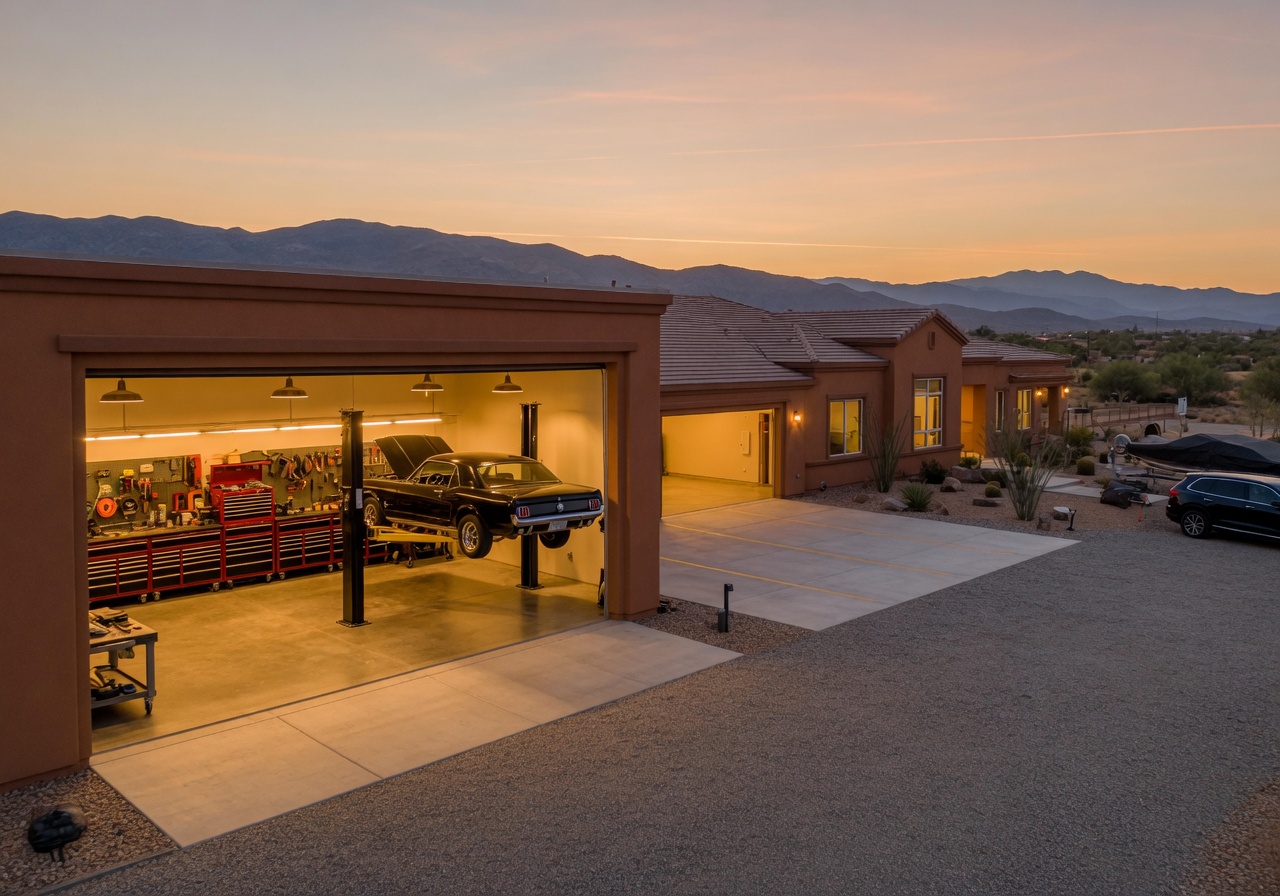
The answer to all three is yes. The community isn't a social media construct — it's a network of real people who show up for each other, organize events, support charities, and share a genuine passion for automobiles. The housing stock in towns like Carson City, Dayton, Gardnerville, Minden, and throughout the Carson Valley includes a significant number of properties with oversized garages, detached workshops, RV bays, and acreage — the kind of homes that make it practical to own and maintain a collection of vehicles. And the car clubs, weekly meetups, and annual events ensure that you'll find your people quickly.
The climate, of course, is a factor that can't be overstated. Classic car owners who move here from the Midwest or the East Coast consistently tell me the same thing: they're amazed at how well their cars hold up. Low humidity, minimal precipitation, no road salt, and mild winters mean less rust, less corrosion, less dry rot, and less of the constant battle against the elements that defines classic car ownership in other parts of the country. Northern Nevada isn't perfect — the intense summer sun requires UV protection, and dust management is a real consideration — but for car preservation, it's as good as it gets without going fully climate-controlled.
The Road Ahead
Northern Nevada's car culture continues to grow and evolve. The community is welcoming to newcomers, whether they're driving a concours-quality restoration or a daily-driven sedan with a turbo. The charity events are getting bigger and raising more money. New Cruises and meetups are forming in communities from Sparks to Gardnerville. And the region's reputation as a car enthusiast destination continues to attract visitors and new residents from across the country.
What hasn't changed is the core of what makes this place special: people who love cars, who love their community, and who believe that a shared passion can bring people together in ways that matter. From the Comstock's first fine carriages to this summer's cruise nights, that thread has never broken.
If you're already part of this community, you know what I'm talking about. If you're considering joining it — whether that means visiting for Hot August Nights, attending a local Cars & Coffee, or making the move to Northern Nevada — I can tell you from experience that you won't regret it. The roads are beautiful, the cars are incredible, and the people are the best part.
And if you're looking for a home with the right garage space for your collection or your project car, that's something I help people with every day. A conversation with someone who lives the car life and knows the local real estate market can save you a lot of time and point you toward the neighborhoods and properties that fit your lifestyle.
We'll see you on the road.
Related Reading
Hot August Nights 2026 Guide
Everything you need to know about Northern Nevada's biggest car event — dates, cruises, and tips.
Northern Nevada's Car Clubs
A guide to local enthusiast communities — from Cars & Coffee to the Nevada Car Coalition.
5 Scenic Drives to Take
Mount Rose Highway, Highway 50, Lake Tahoe Byway, and more — the roads that make this region special.