Nevada Vehicle Taxes: Why Classic Car Collectors Pay So Little
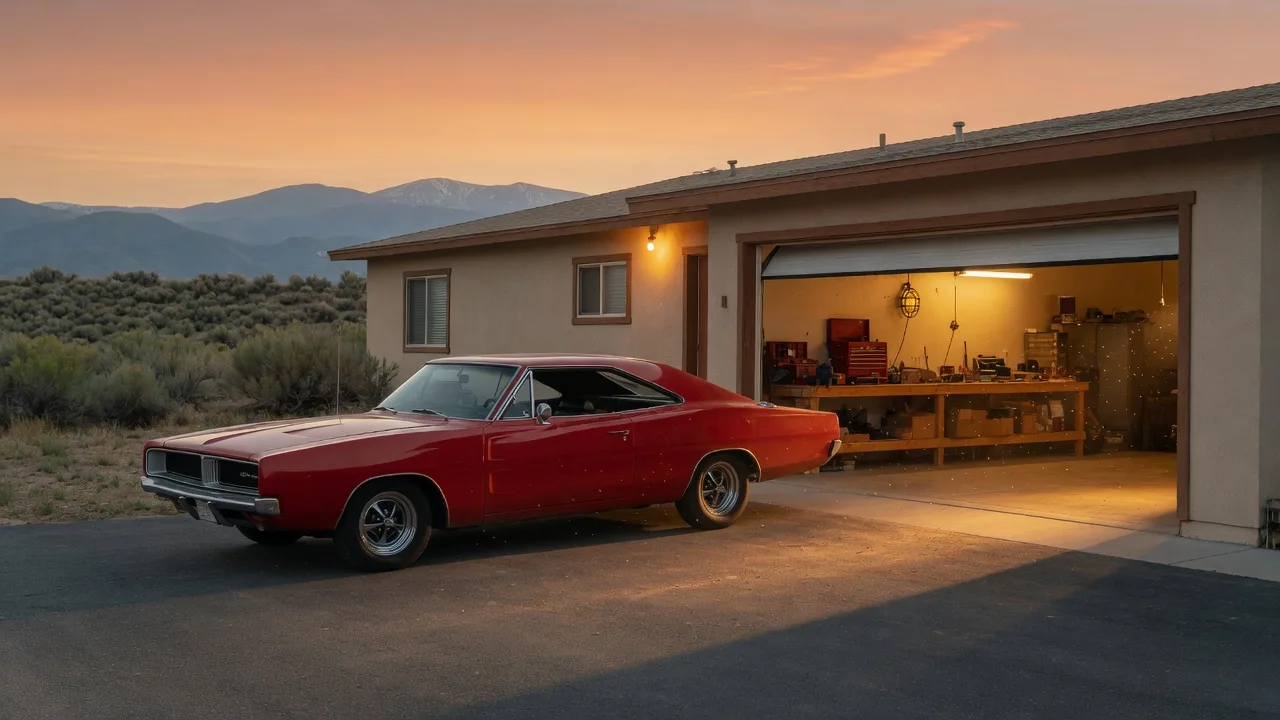
Every car enthusiast weighing a move to Nevada ends up asking the same question: what will it actually cost to register the fleet? The answer is one of the friendliest surprises in the West. Nevada does not tax vehicles as personal property, and the registration tax it charges instead is keyed to a depreciating slice of the original window sticker, not to today's collector market value. For anyone who keeps cars for years instead of flipping them, that math is very good news.
No Property Tax on Your Cars
Under Nevada law (NRS 371), motor vehicles required to be registered with the DMV are exempt from county personal property tax. That means no annual assessment bill arrives for your cars, trucks, or daily drivers the way it can for boats and business equipment in some states. In its place, Nevada collects a Governmental Services Tax, or GST, at registration time, and it works nothing like a property tax that tracks what your car is worth today.
A Tax Keyed to the Window Sticker
The GST is calculated on the DMV's own valuation: 35 percent of the vehicle's original manufacturer's suggested retail price, depreciated 5 percent after the first year and then 10 percent each year after, with the decline stopping at a floor of 15 percent of the original sticker. The tax itself is 4 cents per dollar of that valuation, with a $16 minimum, collected on top of the standard registration fee. A new $50,000 truck starts near $700 in GST, and the important part is that the bill only shrinks from there as the valuation ages toward the floor.
Why Collectors Win
Here is the part classic car people love: the valuation never chases the market. A 1960s muscle car that originally stickered for around $3,000 has long since hit the 15 percent floor, putting its tax valuation at $450. At 4 cents per dollar, that is about $18 a year in GST, no matter what the car is worth at auction today. An appreciating classic stays cheap to register year after year, which is the opposite of states that tax vehicles on current market value. California, for comparison, collects an annual Vehicle License Fee of 0.65 percent of the vehicle's fair market value on top of its flat fees.
Where the Savings Show Up
The cost picture gets even better when you stack up the whole state: no state income tax, emissions exemptions for cars on classic plates, and a dry high-desert climate that keeps rust at bay. Money that would go to annual registration bills in other states stays in your pocket, where it tends to find its way into the garage. That is how a lot of Northern Nevada car people end up with roomier shops than they ever had back home, and it is one more reason so many California enthusiasts are making the move. If the numbers are starting to work in your head, browse homes in Northern Nevada and see what the region actually offers.
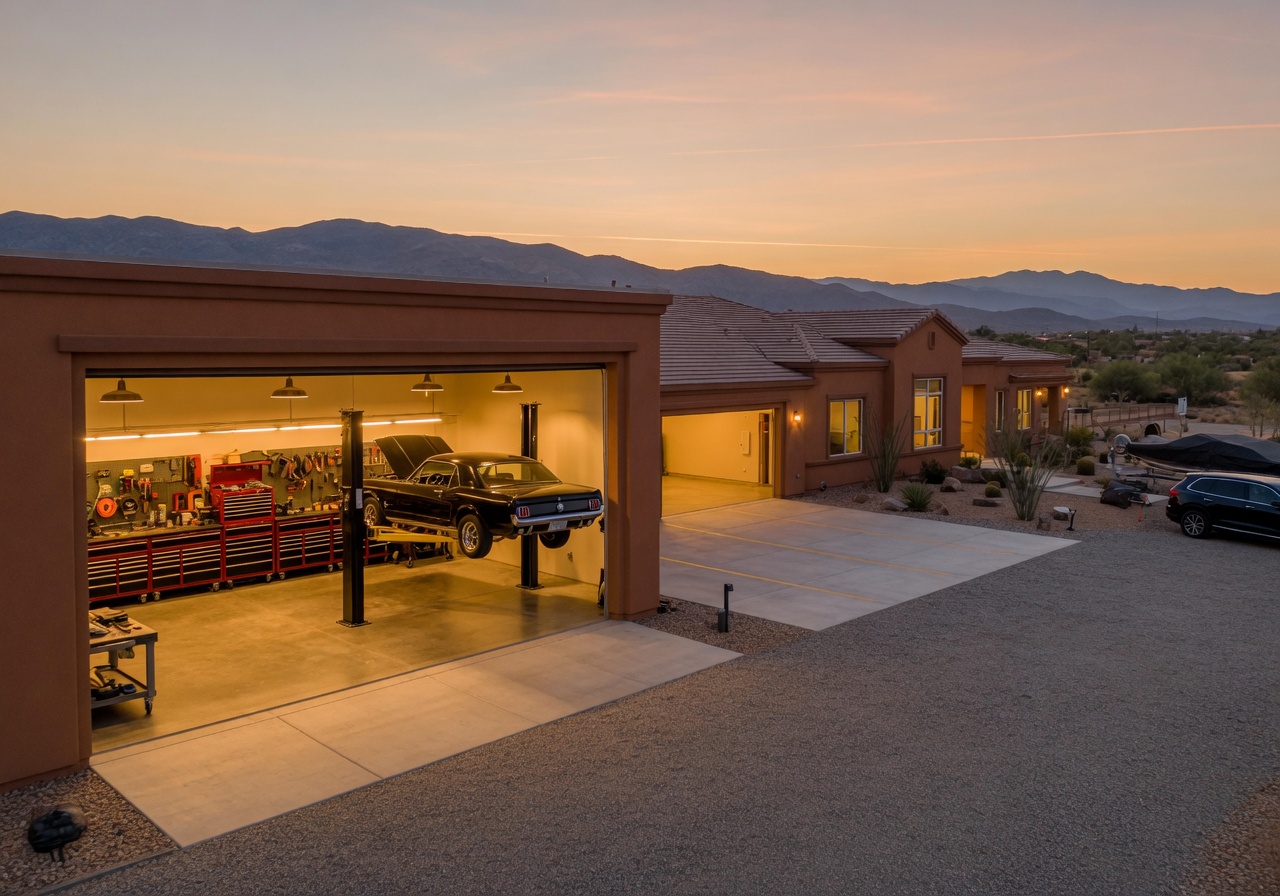
And when you picture the move, picture the shop. The best part of the Nevada math is that the savings tend to show up as space: wide lots, three-car garages, and detached workshops that turn a hobby into a year-round project. Browse homes with 3+ car garages and find the square footage your collection has been asking for.
Related Reading
Nevada Classic Car Registration
Plate types, mileage limits, insurance, and emissions exemptions for older vehicles.
Classic Car Insurance in Nevada
Agreed-value coverage, specialty insurers, and Nevada-specific considerations.
Registering After California
The step-by-step DMV process for California transplants bringing cars to Nevada.