Best Classic Car Insurance Options in Nevada
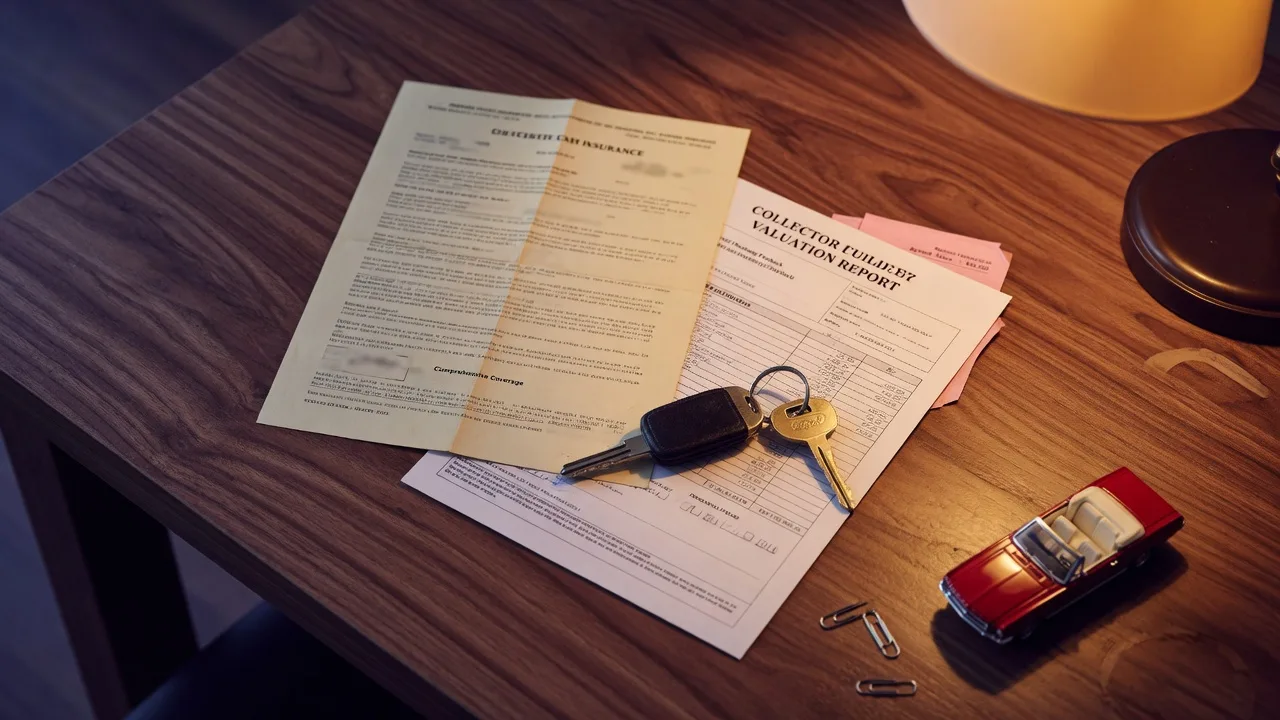
If you own a collector car in Nevada — or you're bringing one here from another state — getting the right insurance isn't optional. It's a legal requirement for classic plate registration, and more importantly, it's the difference between being fully protected and discovering at claim time that your "collectible" is valued like a used Civic.
After decades in the car community, I've seen too many owners carry standard auto insurance on vehicles worth two or three times what the policy would pay out. Understanding the difference between agreed-value and stated-value policies — and knowing which specialty insurers actually deliver — is essential for every collector car owner in Northern Nevada.
Agreed Value vs. Stated Value: This Is the Key Distinction
The single most important concept in collector car insurance is the difference between these two policy types. Get this wrong, and you could be thousands of dollars underwater after a total loss.
Agreed Value (What You Want)
With an agreed-value policy, you and the insurer agree on the car's value upfront when you start the policy. That number goes on your declarations page. If the car is totaled in a covered loss, you receive the full agreed amount — no depreciation, no negotiation, no adjustment. You said it's worth $75,000, they agreed it's worth $75,000, and that's what you get.
This is the gold standard for collector car insurance, and every reputable specialty insurer offers it. If your current policy isn't agreed value, it's time to switch.
Stated Value (Be Careful)
A stated-value policy looks similar on paper, but the language matters. With stated value, the insurer sets a value ceiling — but at claim time, they can pay the lower of the stated amount or the car's actual cash value (ACV). That ACV calculation might include depreciation, market comps, or condition adjustments that bring the payout well below what you expected.
Some standard insurers (Progressive, Geico, State Farm) use stated-value language on their "collector" or "classic" endorsements. It's better than nothing, but it's not the same as a true agreed-value policy from a specialty carrier. Always read the declarations page and ask the agent directly: "If this car is totaled tomorrow, is the payout the stated amount or the lower of stated value and ACV?"
Top Specialty Insurers for Nevada Collectors
Here are the major specialty insurers that serve Nevada collector car owners. Each offers agreed-value policies, but they differ in coverage options, pricing, and restrictions. Getting quotes from two or three is always worth the effort.
Hagerty
Hagerty is the largest and most recognized name in collector car insurance. They offer "Guaranteed Value" coverage — their term for agreed value — with flexible mileage tiers and usage-based pricing. Policies typically include $0 deductible for liability, coverage for spare parts up to $3,000, and trip interruption benefits. Hagerty also provides free agreed-value appraisals through their online tool, which makes setting the right value straightforward. Their rates are generally competitive, especially for vehicles that are driven sparingly. Hagerty also offers a Driver's Club membership with roadside assistance, discounts at car shows, and access to their valuation tools.
Grundy
Grundy has been insuring collector vehicles since 1947 and is one of the most respected names in the space. They offer agreed-value policies with some of the most flexible usage terms in the industry. Grundy is notably more tolerant of track days and rally events than many competitors — if you take your car to the track occasionally, Grundy is worth a close look. They do require that the vehicle be garaged and that you have a primary daily driver insured separately. Grundy's pricing is often very competitive, particularly for multi-car collections.
American Collectors Insurance (American Modern)
American Collectors offers agreed-value policies with three mileage tiers — 2,500, 5,000, or 7,500 miles per year. They're a solid mid-range option with competitive premiums and straightforward coverage. They're particularly popular with owners of mid-value collector vehicles — think muscle cars, '80s and '90s sports cars, and entry-level classics. Policies include trip interruption coverage and lockout assistance.
Heacock Classic
Heacock specializes in collector cars and offers agreed-value coverage with a strong reputation for claims handling. They provide flexible mileage plans, lay-up credits for seasonal storage, and coverage for automobilia and memorabilia collections. Heacock is known for personalized service — you work with a dedicated agent who understands collector cars, not a call center.
Other Options Worth Considering
- Guardian — Offers agreed-value policies with good multi-car discounts. Known for competitive pricing on muscle cars and trucks.
- NCM Insurance — Backed by the National Corvette Museum, but available to all collector vehicles. Agreed value with flexible terms.
- State Farm Collector Car Program — Available through select State Farm agents. Offers stated-value or agreed-value depending on the agent and vehicle. Worth checking if you already have a State Farm relationship.
What Coverage Makes Sense for Different Collectors
The Weekend Cruiser
You've got a single classic that comes out for shows, cruises, and Sunday drives. You drive it maybe 2,000–3,000 miles a year. You want agreed-value coverage, liability, and comprehensive/collision. A standard agreed-value policy from Hagerty or Grundy in the lowest mileage tier is perfect. Expect to pay $200–$600 per year depending on the vehicle's value.
The Multi-Car Collector
You've got three, four, or more vehicles — a mix of classics, modern sports cars, and maybe a project or two. You need a policy that covers the entire collection under one agreed-value framework. Grundy and Hagerty both offer multi-car policies with stacking discounts. Consider a blanket coverage approach if your collection has varied values — some insurers offer a single agreed-value amount covering the entire collection rather than per-vehicle values.
The Restorer / Builder
If you're building cars — whether as a serious hobby or with plans to sell — your insurance needs are different. You'll need coverage for vehicles in process (parts and labor invested), tools and equipment, and potentially liability for vehicles you've built. Grundy is often the best fit here because of their flexible usage terms and tolerance for build-related activities.
Nevada-Specific Considerations
A few things that matter specifically for Nevada collector car owners:
- Classic plate requirement: To register with Classic Vehicle, Classic Rod, or Old Timer plates in Nevada, you must carry a specialized classic/antique insurance policy. The DMV requires your declarations page as proof of coverage. A standard auto policy with a "collector" endorsement may or may not qualify — ask the DMV directly or check the fine print on your declarations page.
- No road salt: Nevada doesn't use road salt, which means lower corrosion risk. Some insurers factor this into valuation, but most national carriers use the same rates regardless of state.
- Theft and vandalism: Northern Nevada has relatively low property crime rates compared to coastal urban areas, but comprehensive coverage is still essential. A stolen classic car is a devastating loss, and replacement value is almost always higher than the original purchase price.
- Weather events: Northern Nevada sees occasional hailstorms, especially in the spring. Comprehensive coverage protects against hail damage, which can be cosmetic and expensive on a restored paint job.
- Storage considerations: Many insurers offer lay-up credits — reduced premiums during months when the car is in storage. If your classic sits from November through April (not uncommon in Northern Nevada), ask about seasonal discounts.
How to Choose the Right Policy
Here's a practical approach to getting the right coverage:
- Get a professional appraisal. An agreed-value policy is only as good as the number on the declarations page. If you undervalue the car, you're underinsured. If you overvalue it, you're overpaying. A professional appraisal from a qualified classic car appraiser in the Reno or Carson City area ensures you're covered at the right number. Some insurers offer free online valuation tools as a starting point.
- Get quotes from at least three carriers. Hagerty, Grundy, and either American Collectors or Heacock. Rates vary significantly between carriers for the same vehicle.
- Ask about multi-car discounts. If you have more than one collector vehicle, bundling them on one policy can save 10–25%.
- Read the declarations page carefully. Confirm it says "agreed value," not "stated value." Check the deductible amounts. Verify the mileage tier matches your actual driving habits.
- Ask about extras. Roadside assistance, trip interruption, spare parts coverage, and memorabilia coverage are all worth understanding. Some are included; others cost extra.
- Review annually. The classic car market fluctuates. A car that was worth $40,000 two years ago might be worth $55,000 today — or vice versa. Update your agreed value every year or two to stay properly covered.
The Connection to Your Home
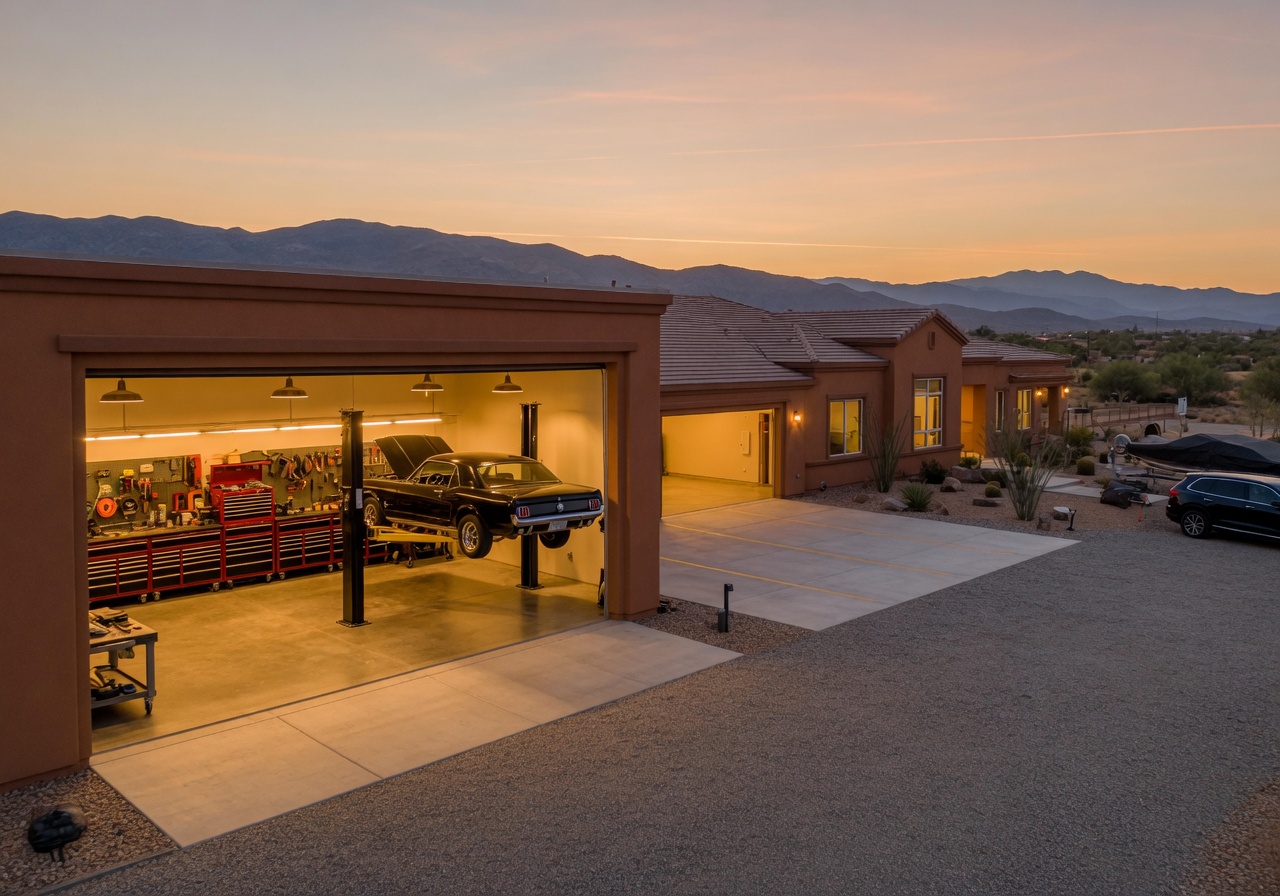
Where you store your car matters to your insurer. Most specialty carriers require that the vehicle be kept in a locked garage — not a carport, not a driveway, not a storage unit without proper security. This is a standard policy condition, and if the vehicle isn't garaged, it can void your coverage.
This is one of the many reasons that finding the right property in Northern Nevada makes such a difference. A home with an oversized garage, a detached workshop, or RV storage isn't just a lifestyle upgrade — it's a practical requirement for proper collector car coverage. If you're looking for a property with the right garage setup, our garage home guide covers what to look for, and workshop-friendly properties throughout the Carson Valley make it possible to store and work on your collection at home.
Getting the right insurance is one of those things that doesn't feel urgent — until you need it. Take an afternoon, get the quotes, read the policies, and make sure your cars are covered at the right value. Then get out and drive them. That's what they're for.
Related Reading
Nevada Classic Car Registration Guide
Plate types, mileage limits, and the insurance requirements for classic plate registration.
Do Classic Cars Need Emissions Testing?
Nevada emissions exemptions for classic vehicles and where to get tested in Northern Nevada.
Buying a Garage Home in Northern Nevada
Finding homes with the garage space your collection needs — oversized bays, workshops, and RV storage.