Nevada Classic Car Registration: A Practical Guide for Enthusiasts
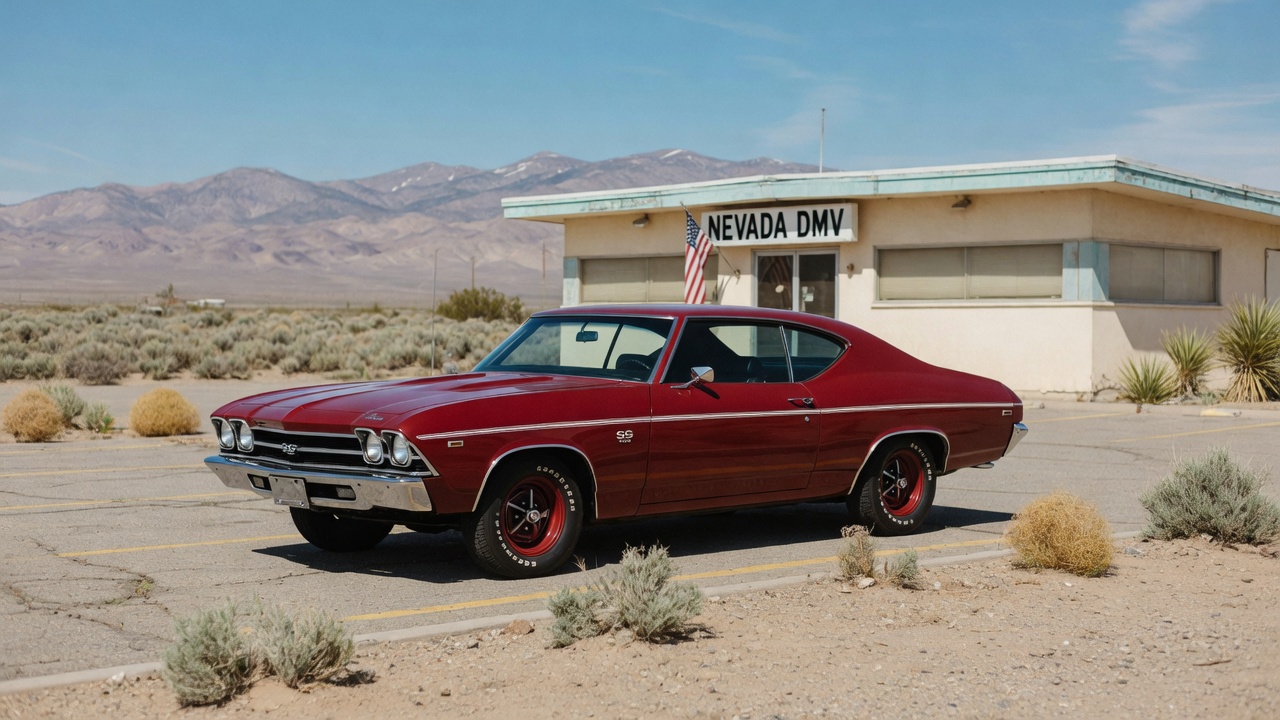
If you're a car enthusiast living in — or moving to — Northern Nevada, you already know the region is a paradise for drivers. Scenic mountain roads, a tight-knit car community, and a culture that celebrates classic and collector vehicles make this one of the best places in the West to own and enjoy a special car.
But owning a classic car in Nevada comes with specific registration rules, and understanding them before you head to the DMV can save you a lot of time and frustration. Whether you're bringing a project car from California, registering a car you've had for decades, or just wondering what plate type fits your vehicle, here's everything you need to know.
Nevada's Three Classic Plate Types
Nevada DMV offers three distinct license plate categories for older vehicles. Each has different age requirements, and each comes with specific rules about how the car can be used. Choosing the right one is important — it determines your emissions obligations, annual mileage limits, and what you can legally drive to.
Classic Vehicle Plates
Year requirement: At least 25 years old.
What it covers: This is the most common plate for enthusiast-owned cars from the late 1970s through the early 2000s. The vehicle must be in its original or restored condition — no radical customizations. If you've got a '70 Chevelle, a late-'80s 911, or an early-2000s Z06, this is likely your category.
Classic Rod Plates
Year requirement: Manufactured after 1949 and at least 20 years old.
What it covers: This plate is designed for hot rods, street rods, and modified classics. If your car has been significantly customized — a chopped top, a modern drivetrain swap, or custom paint and bodywork — the Classic Rod plate is the right fit. It acknowledges that these cars aren't stock, but they're still built to be driven and shown.
Old Timer Plates
Year requirement: Manufactured at least 40 years before the application date (currently 1986 or older).
What it covers: This is the most traditional plate, reserved for genuine vintage and antique vehicles. Think pre-war cars, early post-war classics, and anything that qualifies as a true collector piece. The higher age threshold reflects the car's historical significance.
The Rules: Mileage, Use, and Insurance
All three plate types come with the same core restrictions, and this is where a lot of new owners get caught off guard. Nevada's classic plates aren't just a cosmetic upgrade — they come with real legal requirements:
5,000-Mile Annual Limit
Vehicles registered under any classic plate category are limited to 5,000 miles per year. This isn't a suggestion — it's a legal restriction, and you'll need to certify your odometer reading annually when you renew. For most collector car owners, this is more than enough. A weekend car that goes to shows, cruises, and the occasional scenic drive isn't going to hit 5,000 miles. But if you're thinking of using your classic as a daily driver, these plates aren't for you.
Permitted Uses Only
Classic-plated vehicles cannot be used for general transportation. Nevada law restricts their use to specific purposes:
- Car club activities and meets
- Exhibitions, car shows, and Show-n-Shines
- Parades and cruise nights
- Relocating or transporting the vehicle
- Maintenance, service, and repair trips
- Occasional pleasure driving (within the mileage cap)
In practice, this means you can drive to Cars & Coffee, cruise Virginia Street during Hot August Nights, take a Sunday run up Mount Rose Highway, and trail the car to your favorite detail shop — but you can't commute in it or use it for grocery runs.
Specialized Classic Insurance Required
This is the big one. To qualify for any classic plate, you must carry specialized classic or antique car insurance — not a standard auto policy. Companies like Hagerty, Grundy, American Collectors, and others offer agreed-value policies designed for collector vehicles. When you go to the DMV, you'll need to bring your policy's declarations page as proof of coverage. A standard progressive or Geico policy won't cut it.
If you don't already have a classic policy, get one sorted before your DMV visit. It's a simple phone call, and rates for collector cars are typically much lower than standard insurance since the mileage and use restrictions reduce risk.
The Emissions Exemption — and What It Really Means
One of the biggest advantages of Nevada's classic plates is the emissions testing exemption. Classic, Classic Rod, and Old Timer vehicles are exempt from Nevada's smog checks, provided they meet the plate requirements and are not used for general transportation.
This is a significant benefit for anyone bringing a car from out of state, especially California, where emissions testing can be strict and costly for older modified vehicles. A car that qualifies for Nevada classic plates skips the smog station entirely.
There is a small catch: an initial pollution control fee applies when you first register. Classic Vehicle plates carry a $7 fee, and Classic Rod plates carry a $6 fee. It's a one-time charge, and it's minimal — but it does exist.
It's also worth noting that vehicles manufactured in 1967 or older are broadly exempt from Nevada emissions testing regardless of plate type, since they predate modern emissions standards.
Fees and Renewal
Nevada classic plate costs are straightforward:
- Initial plate fee: $36 for standard sequential plates
- Annual renewal: $10 per year
- Pollution control fee: $6–$7 one-time at initial registration
Compared to standard vehicle registration in Nevada, which can run significantly higher depending on vehicle value, the classic plate cost structure is one of the most affordable in the country. It's one of the hidden perks of the Nevada classic car lifestyle.
Bringing a Classic Car from Out of State
Northern Nevada draws car enthusiasts from across the West, and a lot of them are relocating from California, Oregon, and Washington. If you're moving to Nevada with a classic car, here's what to expect:
- VIN inspection: You'll need a VIN verification, which can be done at the DMV or by authorized law enforcement.
- Title transfer: Standard out-of-state title transfer process.
- Nevada insurance: You'll need to switch to a Nevada-qualified classic insurance policy before registration.
- In-person visit: Classic plate applications must be submitted in person at a DMV office. The Carson City DMV office on Route 50 is the most convenient for Carson Valley and Western Nevada residents.
- No California smog needed: Nevada doesn't accept out-of-state smog certificates, but if your car qualifies for classic plates, it's exempt from Nevada emissions testing anyway.
The Recent Crackdown: What Changed
If you've heard that Nevada tightened its classic car rules in recent years, you're right. The DMV closed a loophole that allowed some vehicle owners to register cars on classic plates without proper specialty insurance. The change means that proof of a genuine classic or antique insurance policy is now strictly required at the time of application — no workarounds, no exceptions.
For legitimate collector car owners, this isn't a problem. It actually benefits the community by ensuring that classic-plated vehicles are genuinely collector cars, not daily drivers avoiding smog checks. If you have a real classic, real insurance, and real plans to enjoy it within the rules, the updated requirements work in your favor.
Practical Tips for Your DMV Visit
Having helped several friends and clients navigate this process, here are a few tips that make it smoother:
- Bring your insurance declarations page. Printed, not on your phone. The DMV needs to see the policy details showing classic/antique coverage and agreed value.
- Know your odometer reading. You'll need the current mileage for the annual certification.
- Bring your out-of-state title. If you're transferring from another state, have the original title in hand.
- Go early in the week. The Carson City DMV office tends to be less crowded on Tuesday and Wednesday mornings.
- Ask questions. DMV staff are generally knowledgeable about the classic plate process, and they'd rather answer questions upfront than have you come back with missing paperwork.
Living the Classic Car Lifestyle in Northern Nevada
Registration is just the beginning. Once your car is properly plated and insured, Northern Nevada offers an incredible environment for enjoying it. The region's car community is active year-round, from weekly cruise nights in Carson City and Reno to the annual Hot August Nights festival that takes over the entire region every August. The Nevada Car Coalition connects local clubs and keeps the event calendar full.
And the roads — the scenic drives up Mount Rose Highway, the solitude of Highway 50, the alpine loop around Lake Tahoe — these are the kinds of routes that remind you why you keep a classic car in the first place.
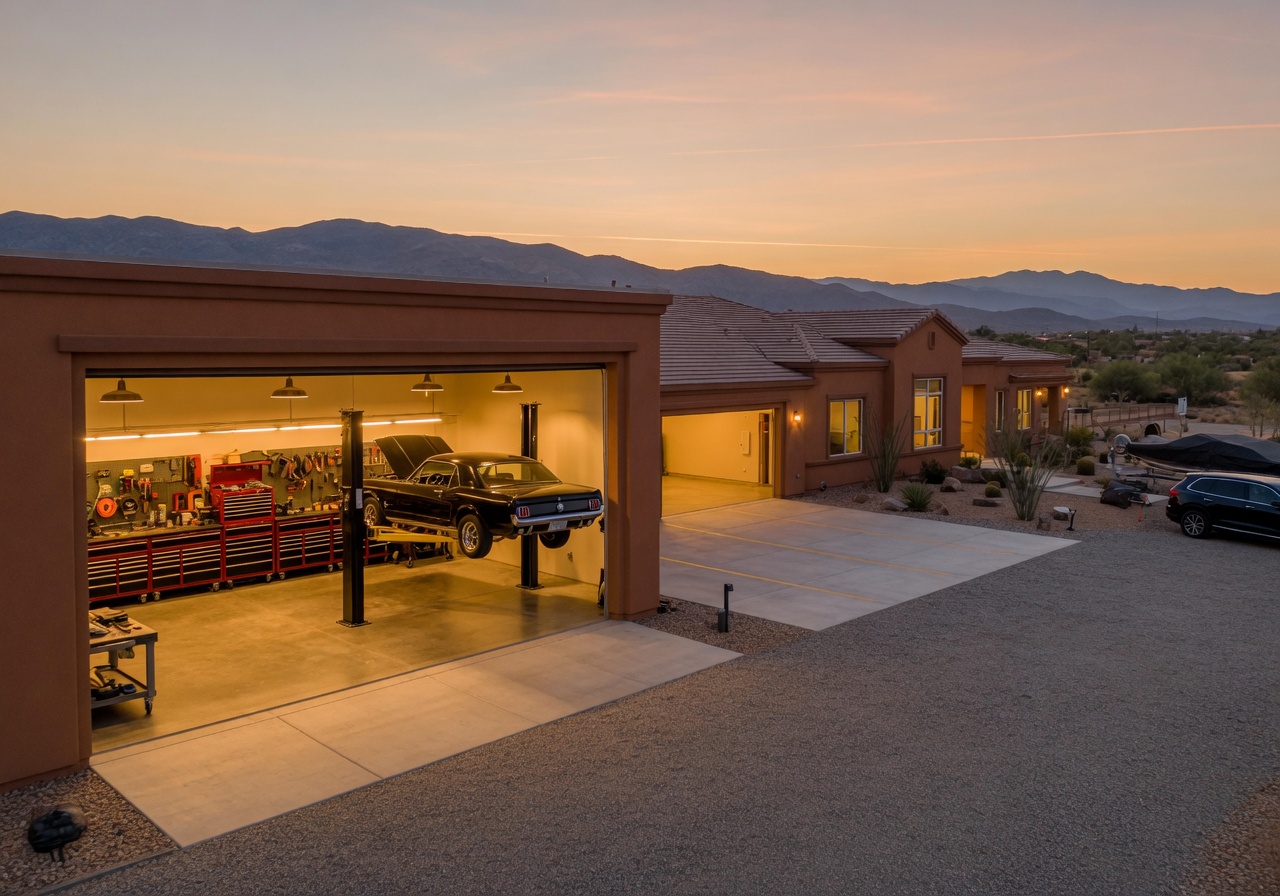
Of course, having the right place to keep your car matters too. Northern Nevada is full of properties with the garage space that car enthusiasts need — oversized garages, detached workshops, RV bays, and acreage for building the shop of your dreams. Towns like Carson City, Dayton, Gardnerville, and Minden have neighborhoods where car-friendly homes are part of the lifestyle. If you've been thinking about finding a property that works as well for your cars as it does for your family, it's worth having that conversation with someone who understands both the real estate and the hobby.
Whether you're registering your first classic or your fifth, Nevada makes it straightforward — and the community here makes it worthwhile. Get the plates sorted, get the insurance in place, and get out on the road. Summer driving season in Northern Nevada is calling.
Related Reading
Relocating to Northern Nevada?
Everything you need to know about moving to Northern Nevada as a car enthusiast — from registration to garage space.
Storing a Classic Car in Nevada's Climate
UV, dust, and dry rot — how to protect your collector car in the high desert environment.
Buying a Garage Home in Northern Nevada
Finding homes with oversized garages, workshops, and RV bays across the Carson Valley and beyond.