Mid-Season Garage Checklist: Get Your Ride Ready for Hot August Nights
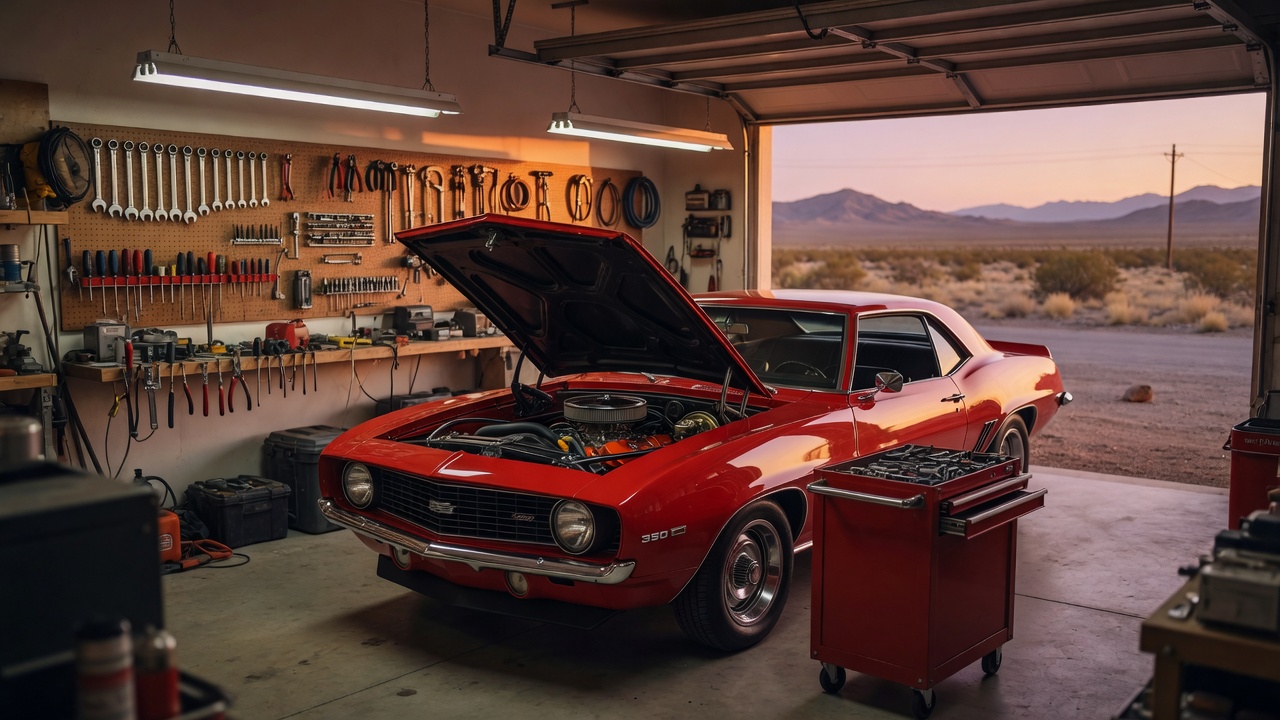
We're past the halfway point between spring storage and Hot August Nights. If your car has been getting regular seat time, now is the time to assess what's working and what needs attention before the biggest event of the year. If it's been sitting since the spring shakedown, you have about five weeks to sort things out — which is actually plenty of time if you work through a systematic checklist.
Here's a mid-season garage checklist tailored to Northern Nevada's climate and the specific demands of driving in the Reno/Carson City summer heat. Whether you're prepping for Hot August Nights, K-9s & Classics, or just want your car running right for the rest of the season, this covers the essentials.
Cooling System: The #1 Priority
Northern Nevada summer temperatures regularly hit the mid-90s to low 100s, and the high desert sun compounds the heat load on any engine — especially older cars with less efficient cooling systems. This is the single most important system to check before the August events.
- Coolant level and condition. Check the overflow tank and radiator (when cold). If the coolant looks brown, murky, or has debris, flush and replace it. A fresh fill of the correct coolant mix (usually 50/50 for most classic cars) is cheap insurance.
- Radiator cap. A weak cap lowers the system's boiling point. Replace it if it's more than two years old or if you're not confident in its seal. A $15 cap can prevent a $3,000 overheating event.
- Fan clutch (if applicable). With the engine off, you should feel resistance when spinning a thermal fan clutch by hand. If it spins freely, it's not engaging when it should, and your engine will run hot at idle or in traffic — exactly the conditions at a Show-n-Shine in August.
- Hoses and clamps. Squeeze every coolant hose. If it feels spongy, crunchy, or shows visible cracking, replace it. Pay special attention to the lower radiator hose — it's the one most likely to collapse under suction.
- Thermostat. If you've had any temperature gauge oddities this season — erratic readings, slow warm-up, or running cooler than expected — the thermostat may be sticking. A 180° or 195° thermostat is standard for most classic V8s. In Nevada summer heat, err on the cooler side if your engine tolerates it.
Fluids and Filters
A mid-season fluid check is a good practice even if everything seems fine. Heat degrades fluids faster than cold, and the difference between adequate and optimal matters when you're idling in traffic at the Supercruise.
- Engine oil. If you're more than 3,000 miles or 4 months past your last change, do it now. Fresh oil handles heat better and gives you peace of mind for event weekends.
- Transmission fluid. Check the level and color. Burnt-smelling or dark fluid on an automatic is a warning sign. If you have a manual, check the gear oil level per your factory spec.
- Brake fluid. Brake fluid is hygroscopic — it absorbs moisture over time, which lowers its boiling point. If it's been more than two years, flush it. A long stop-and-go cruise in the August heat is exactly when boiled brake fluid becomes a problem.
- Power steering fluid. Check the reservoir level and look for discoloration or foaming, which indicates air in the system or a worn pump.
- Fuel filter. If you haven't replaced it this season, do it now. A partially clogged fuel filter can cause hesitation under load — something you don't want pulling away from a stoplight in front of a crowd.
Tires and Brakes
Tire pressure increases roughly 1 PSI for every 10°F rise in ambient temperature. In Northern Nevada, where you might drive from a 65° morning in Carson City to a 100° afternoon in Reno, that's a significant swing.
- Tire pressure. Check cold (before driving) and adjust to the manufacturer's specification — not the number on the tire sidewall. Don't forget the spare.
- Tread depth and sidewall condition. Run your hand across the tread and look at the sidewalls. If the tread is unevenly worn, you may have an alignment issue. Check for dry rot cracking, especially on cars that have been sitting. High-desert UV exposure degrades rubber faster than most people expect.
- Brake pads and rotors. If you hear any squealing, grinding, or feel pulsation when braking, address it now. Don't wait until you're in event traffic to discover your brakes need attention.
Electrical System
Hot weather is hard on batteries. Heat accelerates the chemical degradation inside a battery, and a battery that tested fine in April may be marginal by August.
- Battery terminals. Clean any corrosion with a wire brush and apply dielectric grease or anti-corrosion washers. A corroded terminal can cause no-start conditions that are embarrassing at a car show.
- Battery load test. Most auto parts stores will do this for free. If your battery is more than four years old, consider preemptive replacement. A dead battery at Hot August Nights means a tow, a wait, and a ruined day.
- Lights and signals. Walk around the car and check every light — headlights, tail lights, brake lights, turn signals, reverse lights. If anything is dim, flickering, or out, replace the bulb now. Nevada requires all lights to be functional for street driving.
- Charging system. If you have a voltmeter, check voltage at the battery with the engine running. It should read 13.8–14.5V. Below that means your alternator may be struggling.
Exterior Detail and Paint Prep
If you're showing the car at Hot August Nights, K-9s & Classics, or any of the summer Show-n-Shines, the cosmetic prep matters. Here's a practical timeline that works for most builds:
- Wash and clay bar. Start with a thorough wash, then run a clay bar over every painted surface. This removes embedded contaminants that make paint feel rough and look dull.
- Paint correction (if needed). If your paint has swirl marks, light scratches, or oxidation, now is the time for a machine polish. A one-step correction with a medium-cut compound works for most cars. For show-quality finishes, consider a two-step correction followed by a sealant or ceramic coating.
- Protective coating. Whether you use a traditional carnuba wax, a synthetic sealant, or a ceramic coating, apply it at least a week before the event so it has time to cure. Northern Nevada's UV exposure will degrade a fresh wax quickly, so a longer-lasting sealant or coating is worth the investment.
- Wheels and tires. Clean the wheels thoroughly (including the inner barrel), apply wheel sealant, and dress the tires. Clean wheels make a bigger visual impression than most people realize.
Interior
Don't forget the inside of the car. Judges notice interiors, and so does everyone walking the rows at a show.
- Clean and condition leather and vinyl. Use a quality conditioner that includes UV protection — Nevada sun will crack unprotected vinyl faster than you'd think.
- Carpet and floor mats. Vacuum thoroughly and use a carpet cleaner on stains. If your mats are original, consider whether they'd look better cleaned or replaced.
- Glass. Clean all glass inside and out, including the rear window and any vent windows. Use an automotive glass cleaner, not Windex — ammonia can damage tint and window seals.
- Dashboard and trim. Wipe down all hard surfaces. Avoid shiny dressing products that leave a greasy look — a matte finish looks more original and more professional.
The Emergency Kit
For event weekends and long cruise nights, pack a small emergency kit in the trunk. It doesn't need to be extensive — just enough to handle common issues without ruining your day.
- Basic tool kit (wrenches, screwdrivers, pliers, electrical tape)
- Spare fan belt or serpentine belt
- Coolant overflow bottle (a spare quart of pre-mixed coolant)
- Fuse assortment for your car's electrical system
- Jump pack or jumper cables
- Tire pressure gauge and portable air compressor
- Fire extinguisher (mounted, not buried in the trunk)
- Detail spray and microfiber towels for last-minute touch-ups
The Five-Week Countdown
With Hot August Nights starting July 31, here's a realistic timeline:
- Week 1 (Now — late June): Mechanical checks. Cooling system, fluids, filters, brakes, tires, battery. Address anything that needs parts or professional work.
- Week 2 (Early July): Test drive. Put 50–100 miles on the car at varying speeds. Pay attention to temperature gauge, brake feel, steering, and any unusual noises or smells.
- Week 3 (Mid-July): Detail prep. Wash, clay, paint correction if needed, and apply protection. Interior detail. Wheels and tires.
- Week 4 (Late July): Final inspection. Check everything one more time. Pack the emergency kit. Confirm event registration if you're showing the car.
- Week 5 (Event week): Light touch-up detail, tire shine, and enjoy the event. You've done the work — now it's time to have fun.
Need Help?
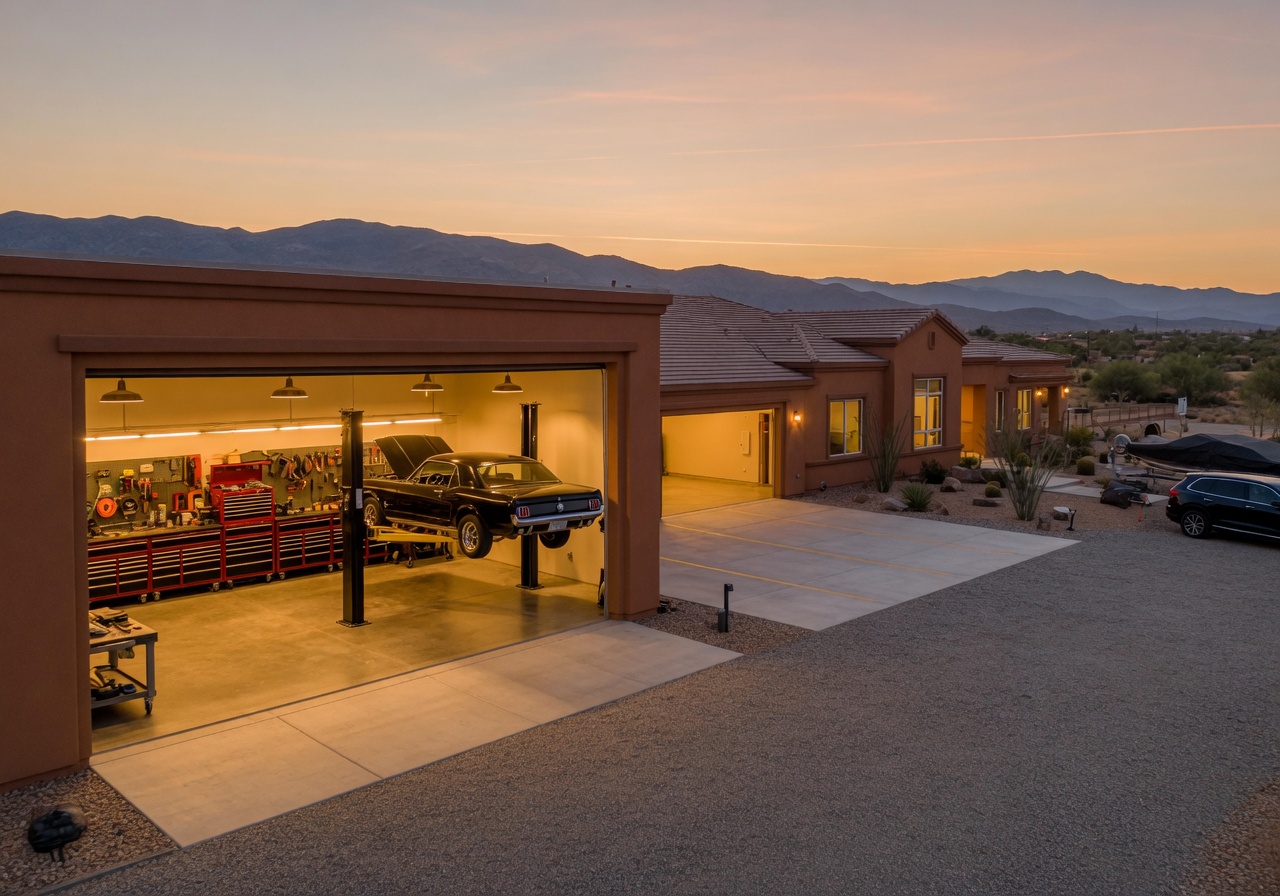
If you don't have the space, tools, or expertise to handle certain items on this checklist, Northern Nevada has excellent local shops that specialize in classic car maintenance and restoration. Check our Local Automotive Resources directory for trusted shops in the area. And if you're looking for a home with a proper workshop to do this kind of work yourself, explore our Carson Valley Garage Home Guide.
See you at Hot August Nights.